
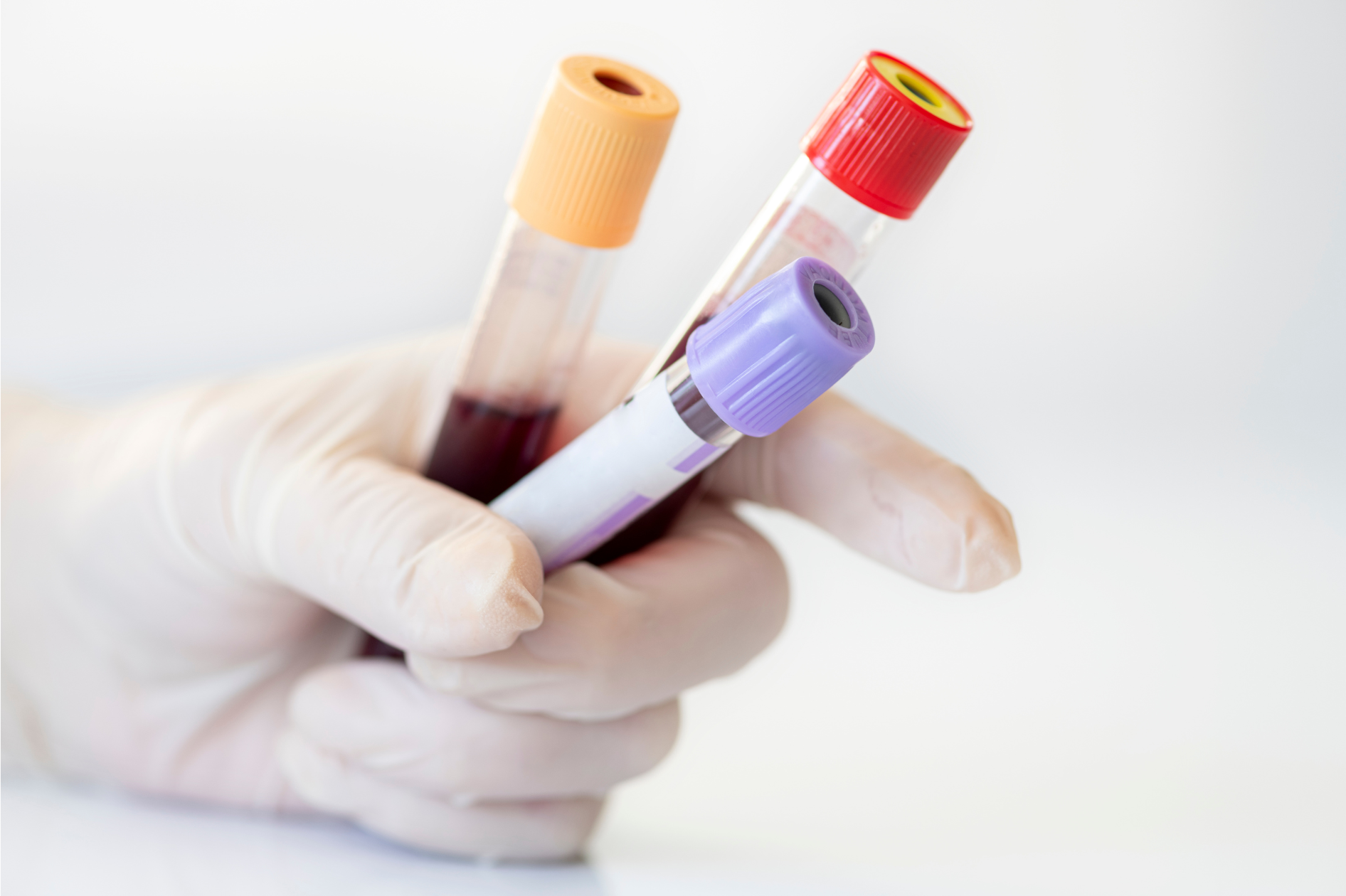
Take a single blood tube and follow it from the moment the needle comes out.
Now follow that tube through the rest of the day: it might be labelled from a batch of printed stickers carried around the ward, it might come from a GP surgery or community diagnostic centre, travelling to a lab whose transit times and storage conditions nobody can verify. It might arrive with a barcode the analyser can’t read and be pulled aside for someone to re-label by hand.
Within roughly four hours, cellular degradation begins to change blood biochemistry and a result that looks like a clinical finding may simply be a sample that waited too long. And none of this happens in the laboratory.
The part of the journey nobody audits
Efforts to improve diagnostic quality have traditionally focused on the laboratory itself, including analyser performance, turnaround times and accreditation, while the processes that precede it receive far less scrutiny. However, research consistently attributes more than 70% of diagnostic errors to the pre-analytical phase: ordering, patient identification, collection, labelling and transport. The lab neither causes these errors nor, usually, has any way to detect them.
Each affected tube means either a repeat bleed or a clinician working from compromised data, and external laboratories often still bill for tests that never produce a result. Duplication adds a further cost, as up to 10% of test requests are made twice, with consumables spent on both.
When paperwork becomes patient harm
The most serious version of this is Wrong Blood in a Tube (WBIT): a sample drawn correctly but attributed to the wrong person. Many trusts still handle WBIT through incident reporting rather than redesigning the process that produces it.
Meanwhile, the investment has gone elsewhere.
The neighbourhood health challenge
This matters more as care moves into the community: Neighbourhood Health Centres and Integrated Neighbourhood Teams depend on phlebotomy, particularly for the millions of people with diabetes, kidney disease, heart failure and other long-term conditions who need regular monitoring to stay out of hospital.
The problem is that community pathways often run on paper, meaning that forms can get lost, misread or left behind, and patients arrive for appointments only to be turned away. Samples drawn in the community face the same four-hour window as hospital samples, often with less certainty about transit and chain of custody. Without digital integration, nothing flags a compromised specimen before it reaches the analyser.
Trusts must meet the demands of GIRFT
The NHS Getting It Right First Time (GIRFT) pathology programme is clear that quality has to be measured across the whole diagnostic journey, from the clinician’s order to the validated result. Pre-analytical processes are where most trusts have the least visibility.
The next gain in NHS diagnostic quality probably won’t come from a faster analyser, but from fixing what happens before the tube reaches the lab: digital requests, point-of-care labelling, automated patient verification, specimen, tracking and closed-loop results. As neighbourhood health expands, phlebotomy deserves to be treated as the diagnostic backbone of community care, and funded accordingly.
At Salutare, this is the problem we're working to solve.
References
1. Plebani M. Pre-analytical errors and patient safety / Preanalitičke greške i bezbednost pacijenata [Internet]. Journal of Medical Biochemistry; 2012 Oct [cited 2026 Oct]. Available from: https://www.researchgate.net/publication/269886941_Pre-analytical_errors_and_patient_safety_Preanaliticke_greske_i_bezbednost_pacijenata
2. NHS Getting It Right First Time. Pathology: GIRFT Programme National Specialty Report [Internet]. London: NHS England; 2021 Sep [cited 2026 Oct]. Available from: https://www.gettingitrightfirsttime.co.uk/medical-specialties/pathology/
Time to be healthcareful®