
Before the lab: where NHS diagnostics really goes wrong
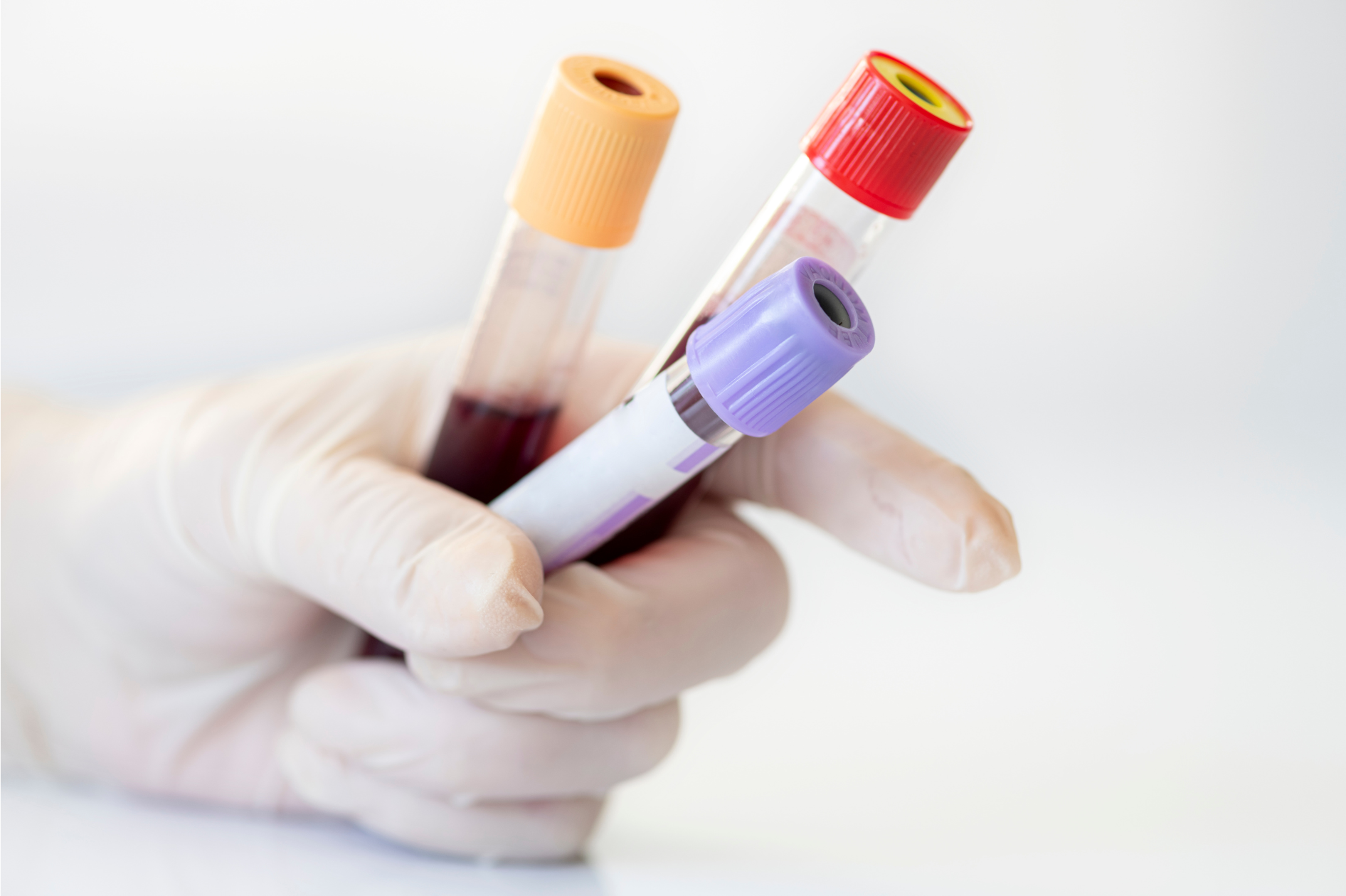
Traditionally, diagnostic quality is measured inside the laboratory: analyser performance, turnaround times, and accreditation. Yet the part of the journey nobody audits, the pre-analytical phase accounts for over 70% of diagnostic errors.
Between paper requests, samples with unverified transit times or temperatures, and the risk of Wrong Blood in a Tube (WBIT), operational flaws directly impact the patient. As care shifts into the community (Neighbourhood Health), addressing what happens before the tube reaches the analyser is the real priority set out by GIRFT.
At Salutare, we are focused on closing this gap through digitalisation, point-of-care verification, and end-to-end specimen tracking.

Overcoming the Testing Blind Spot: A Safer Approach to Diagnosis
Up to 70% of clinical decisions rely on pathology results, yet pre-analytical errors before samples even reach the analyser continue to slip through the cracks.
Establishing end-to-end accountability across collection and transport protects specimen integrity, reduces repeat testing, and closes the critical gap between phlebotomy and the laboratory.

The Real Cost of MDT Delays on Patient Safety
While the NHS invests heavily in the modern analysis laboratory for better handling blood samples, manual pre-analytical processes continue to compromise patient safety.
Reducing risk factors with digital workflow processes gives you precision with diagnosis and avoid the costly consequences of misdiagnosis and human error due to manual work.